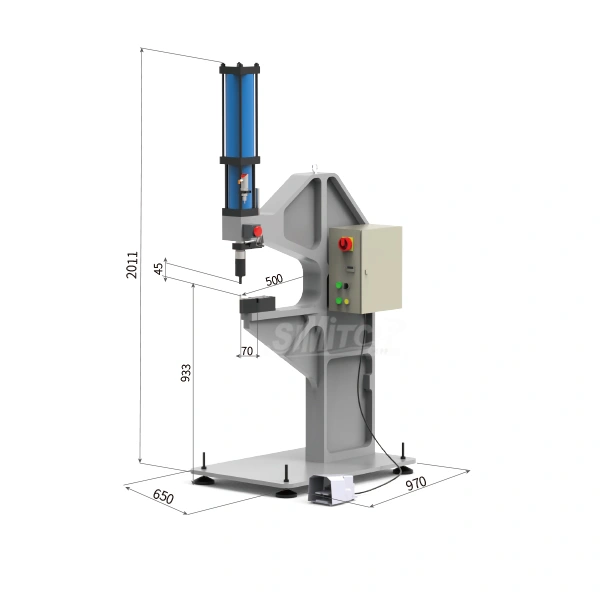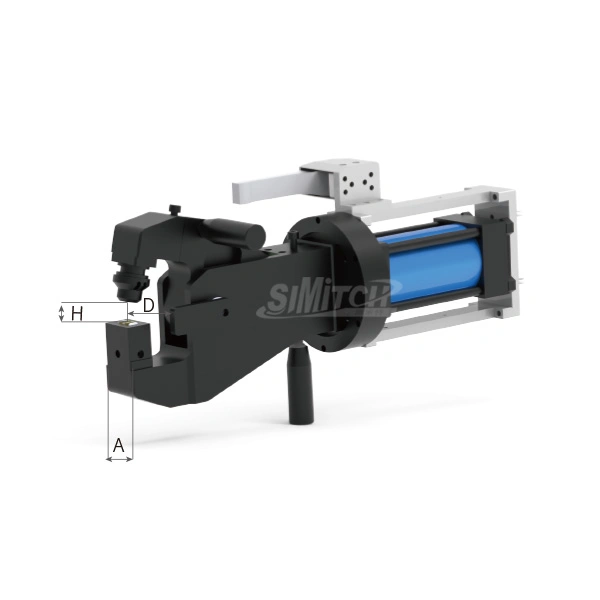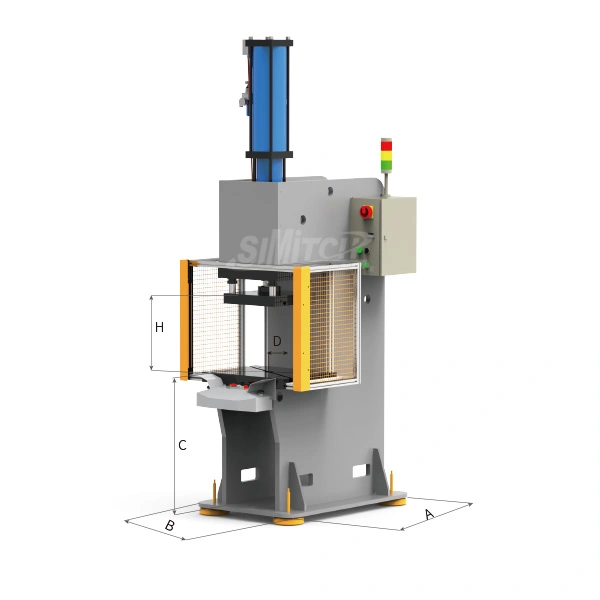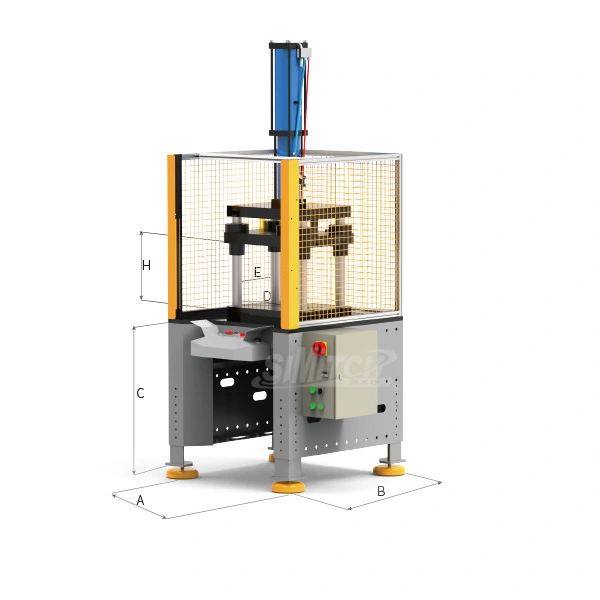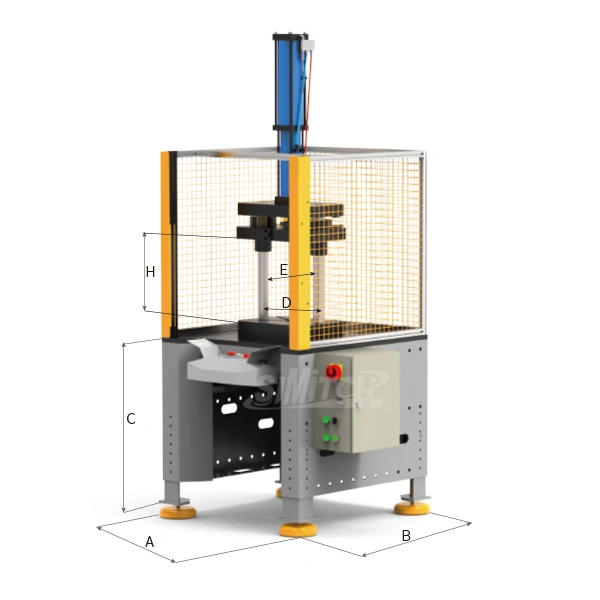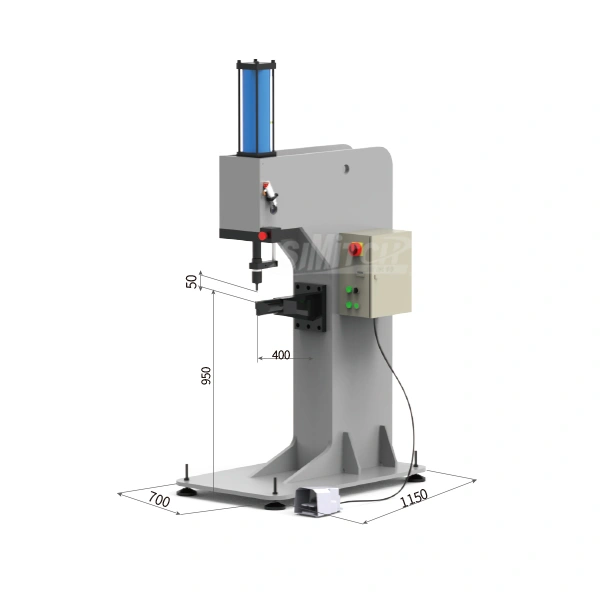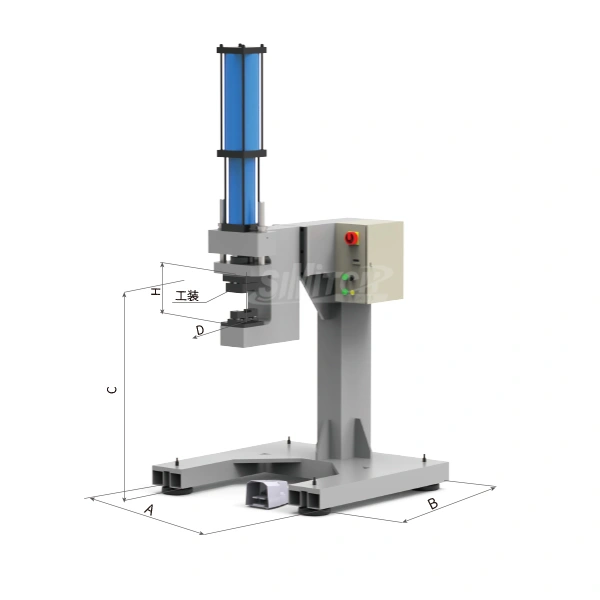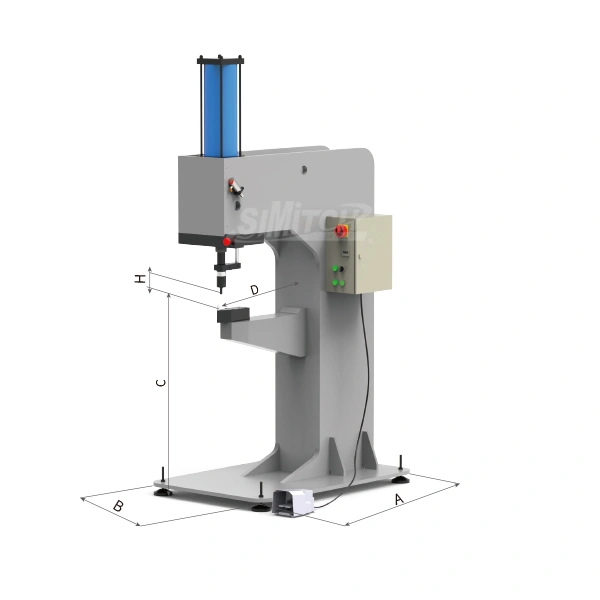
Clinching equipment
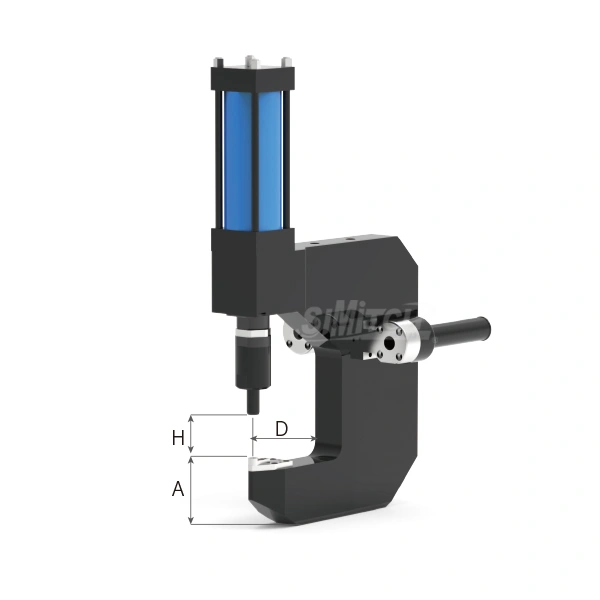
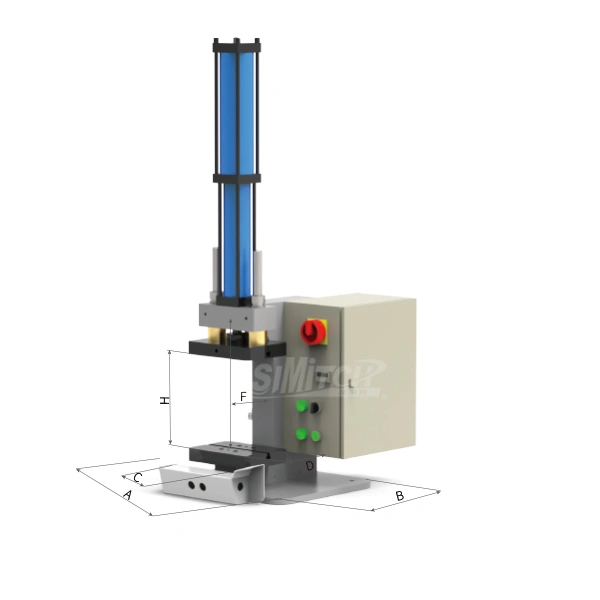
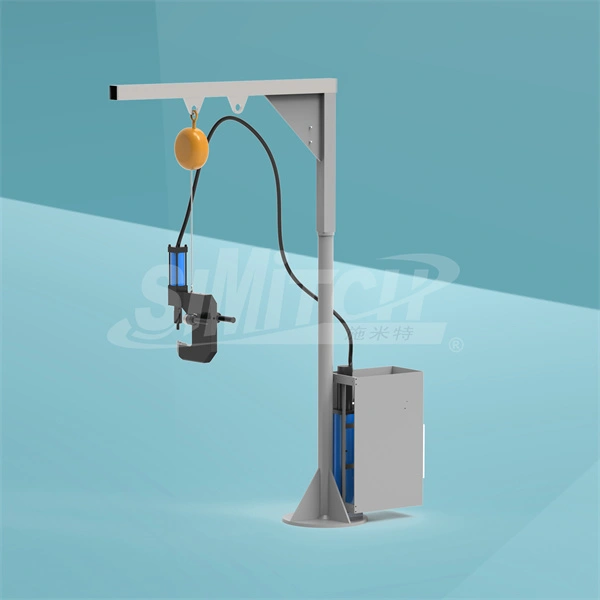
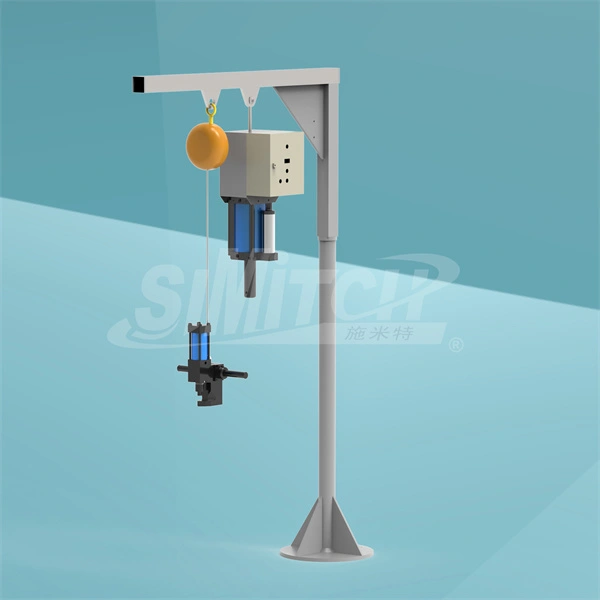
Riveting is a mechanical joining process that utilizes the plastic deformation of metal sheets themselves. By embedding the upper and lower sheets into each other, a mechanical interlock is created without the need for additional fasteners. No rivets or screws are required, creating a high-strength, permanent connection without damaging the material surface. Equipped with high-precision molds with a service life of up to 200,000 cycles, we provide a full range of riveting presses and workbenches, which are trusted by global manufacturers in HVAC, automotive, home appliances and other industries.

Riveting offers significant advantages over traditional joining technologies, including lower equipment costs and greater energy efficiency. The process produces no chemical pollutants, ensuring environmentally friendly operation and is easy to integrate into automated production lines. In addition, riveting is less sensitive to the surface quality of the panels, making it ideal for joining materials with coatings or protective layers.
Why Choose Clinching?
Compared with traditional joining methods, clinching technology boasts remarkable advantages: low energy consumption, low cost, easy maintenance and eco-friendliness. It also features long service life, advanced craftsmanship, high joining strength, great flexibility and stable process control.

Low Energy Consumption & Cost

Clinching requires no raw materials or auxiliary supplies. Its cost is only about 50% of spot welding, making it an ideal solution for cost reduction and efficiency improvement.

Durability & Easy Maintenance

Clinching equipment is affordable, sturdy, simple in structure and convenient to maintain. In contrast, traditional equipment tends to age easily with higher maintenance costs.

Aesthetic Appearance & Environmental Protection

Clinched joints have a neat finish with no need for extra surface treatment. The operation produces no noise or dust pollution, which is environmentally friendly.

Long Die Life & Simple Operation

Clinching dies have a long service life, with an average usage cycle of 100,000 to 300,000 times. The process eliminates pre-processing and post-processing such as punching and surface treatment, greatly boosting working efficiency.

Wide Material Compatibility

Clinching solves the difficulty of joining aluminum, magnesium, titanium and other metals with traditional processes. It shows unique superiority in connecting dissimilar materials and sandwich panels.

High Automation & Reliable Joining Quality

Clinching supports a high degree of automation and enables single-point or multi-point simultaneous joining, perfectly suited for mass production. Joints have no stress concentration and deliver better fatigue resistance than spot welding. The joining strength can be inspected non-destructively, and the whole process supports automatic monitoring.

Superior Joining Strength & Load Capacity

Although its strength is slightly lower than that of self-pierce riveting, clinching fully meets the requirements of most application scenarios. It is especially applicable to thin sheet connection.

Excellent Joining Flexibility

This technology can join sheets with different thicknesses, materials and even shapes, fully meeting the requirements of various complex design solutions.

Precise Process Control

Clinching allows accurate control over the position and shape of joints, ensuring consistent quality and high reliability of finished products.

Diverse Applications
Home Appliance Industry
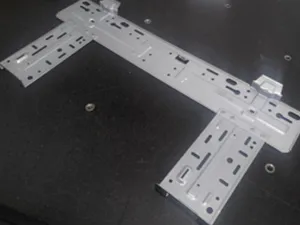
Washing machines, tumble dryers, refrigerators, ovens & stoves, air conditioners, dishwashers
Construction Engineering
Garage doors, elevators, lighting equipment, exterior & interior doors, bus ducts
Ventilation Duct Industry
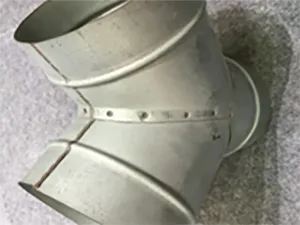
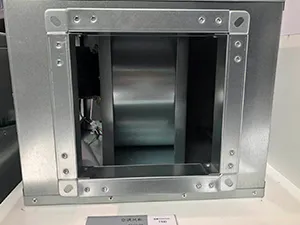
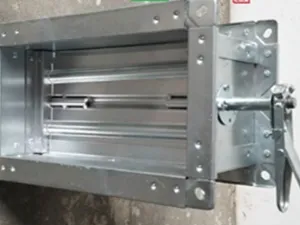
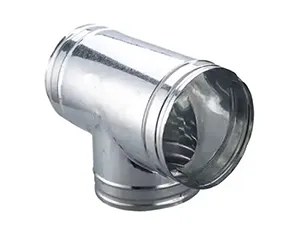
Ventilation ducts, air filters, boilers, radiators, bag filters
Automotive Industry
Roof frames, airbags, battery boxes, car body parts, carriage roofs, switch contacts
We currently serve more than 3,000 customers across automotive, home appliance, refrigeration, elevator, sheet metal, electrical, furniture hardware and other industries.
Clinching Process
1. Positioning & Pressing
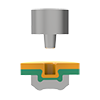
First, return the punch to the top dead center. Place the lower sheet flat, then stack the upper sheet on top. Align the joining area with the center of the die.
2. Forming Stage
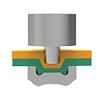
The initial forming phase includes elastic pressing and tensile forming. The elastic pressing phase starts when the punch contacts the upper sheet and ends when plastic bending occurs on both sheets.
3. Plastic Deformation
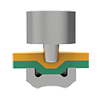
During the filling phase of clinching, the punch continues moving downward to squeeze the upper and lower sheets until it approaches the bottom dead center.
4. Pressure Holding
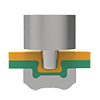
Maintain pressure with the die for a certain period to prevent springback. This ensures the sheets fully fill the annular groove and the clinched joint takes complete shape.
5. Pressure Release & Demolding
The punch moves upward. Its reverse taper structure facilitates demolding. Remove the finished sheet after the punch resets. For automated multi-point clinching, separate the die from the sheets first, then move the sheets or die to start a new cycle.
Process Capabilities
Round Point Joining
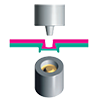
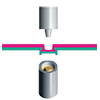
Equipped with a simple round punch, the SIMITCH pneumo-hydraulic riveting machine presses sheets into the die. Metal flows and deforms inside the die to form burr-free and flash-free joints.
SKB Flat Point Joining
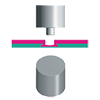
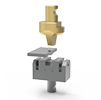
The raised round points from standard clinching may cause obstruction in some applications. After SKB round point forming, use a flat point die to press down the protrusion to form a flat joint with a tolerance of ±0.1mm.
Dual Point Joining
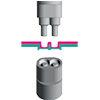
An all-in-one solution. One set of punch and die can form two joints in a single stoke. It improves production efficiency and prevents joint rotation. Its maximum shear strength is twice that of a single round point, and tensile strength reaches up to 1.5 times.
Rivet-style Round Point Joining
This process adopts deep drawing and pressing with simple cylindrical tools. Similar to standard round point clinching, materials are formed by the die cavity without being cut, creating high-strength joints even for ultra-thin sheets.
Micro Point Joining
Micro round joints with a tip diameter of 1.5 to 2 mm, ideal for miniaturized components. Suitable for metal sheets of 0.1-0.5 mm thickness and narrow flange connection, and delivers excellent interlayer conductivity.
ST Rectangular Point Joining
Combining cutting and deformation technology, it is mainly used for joining hard materials and stainless steel sheets.
SKB Round Point Joining
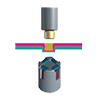
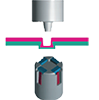
The dedicated SKB die consists of a fixed section and a movable section with 4 to 6 movable segments. The fixed part ensures precise centering, while the movable segments guide and restrict metal flow at the joint area.
Three-segment Die Joining
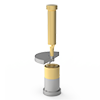
Features broader adaptability and better compatibility for various sheet materials.

Intelligent Joining Equipment | Free Customized Quotation

Still looking for a professional and reliable intelligent joining equipment manufacturer? Our engineers will provide professional joining advice and technical support according to your specific production requirements.

Leave your contact information to get a detailed quotation for free. The quotation includes transparent bulk unit prices, complete product specifications, and an accurate and efficient delivery cycle.